A wrinkle is a fold, ridge, or furrow in the skin. They develop inevitably as people age.
On a person’s face, the earliest lines frequently develop where the skin naturally folds during expressions. They grow as a result of the skin losing its elasticity and getting thinner over time.Additionally, areas of the body that are exposed to the sun the most, such as the face, neck, hands, and arms, are more prone to developing wrinkles.
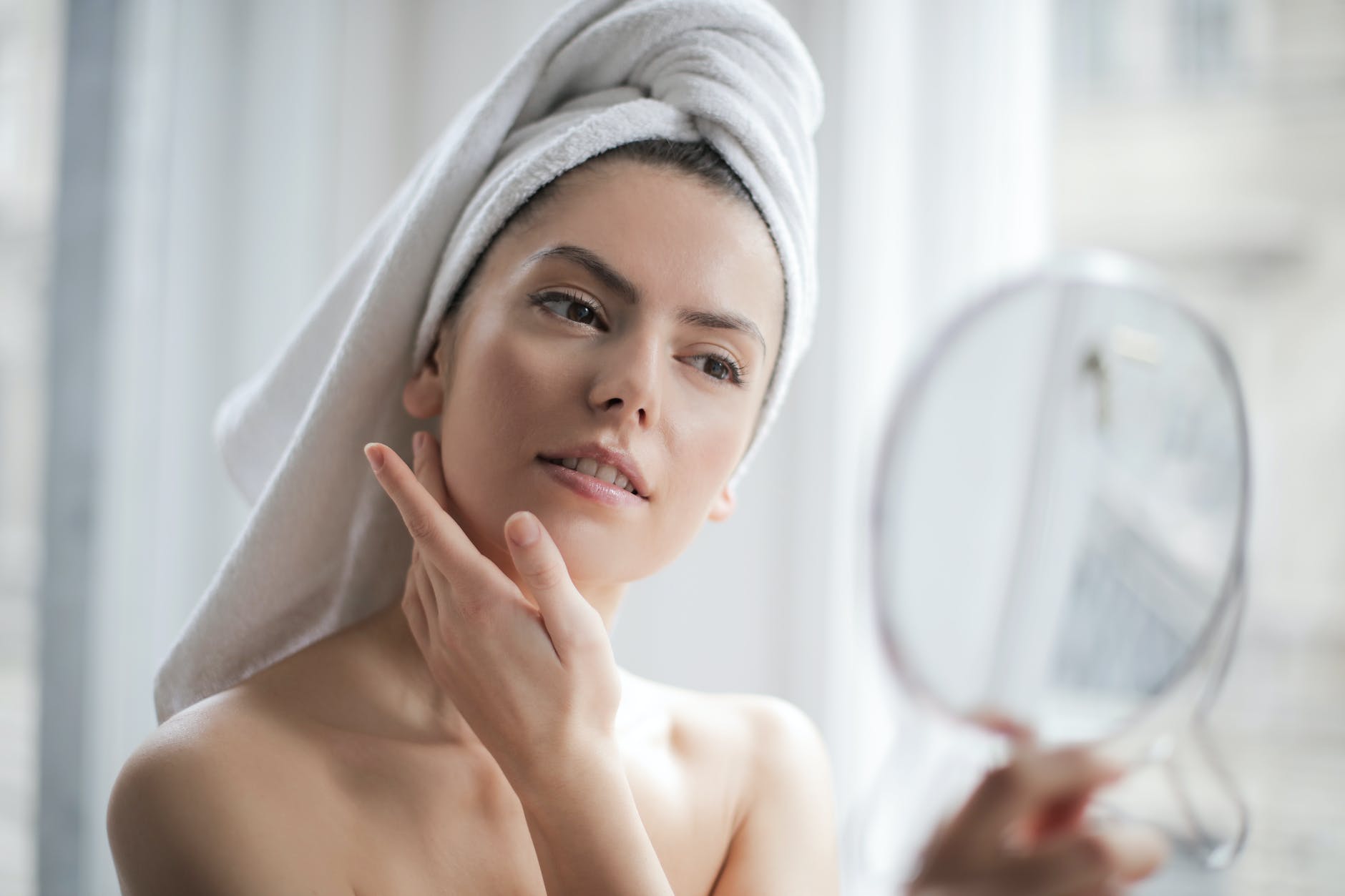
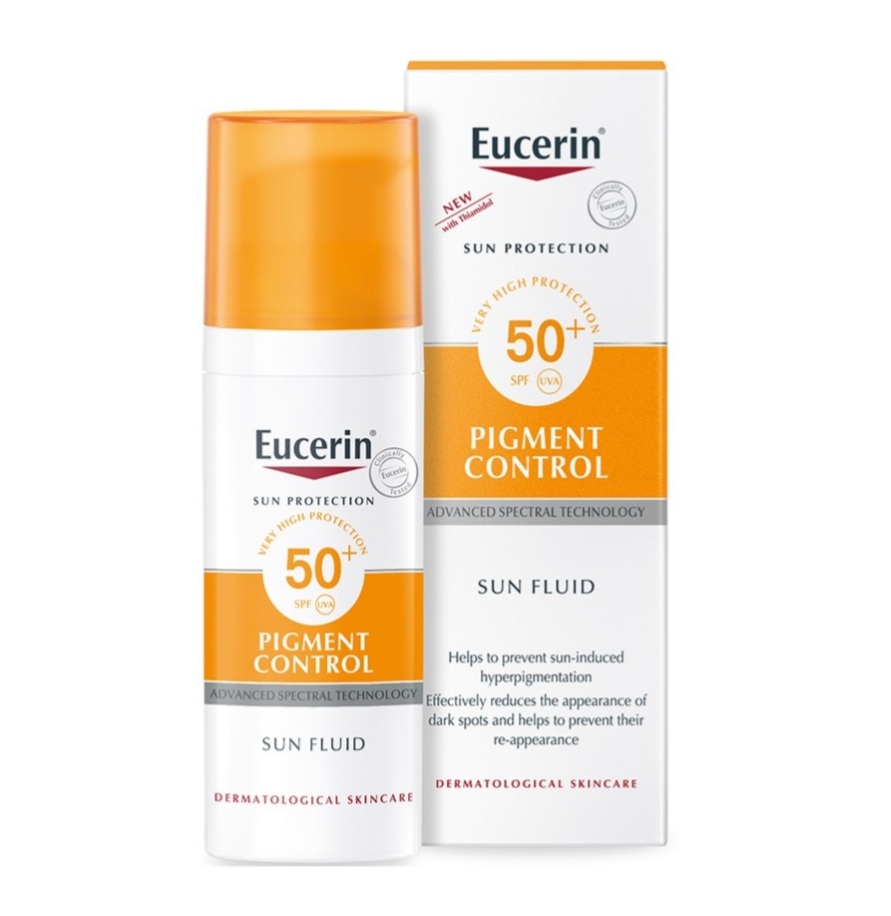
Sunscreen either creates a layer on the skin that physically blocks or has chemicals that absorb harmful UV rays (mostly UVA and UVB). This helps prevent sunburn, skin cancer, and the breakdown of collagen (which leads to wrinkles).Basically, without SPF, your skin tries to protect itself from the sun’s harsh rays by producing thick, splotchy pigment (hello, fried skin and sunspots). So, even though your skin means well, chances are you won’t love the results and your skin is being damaged.
The damaging rays of the sun
The American Academy of Dermatology recommends using sunscreen every day that you plan to be outside, instead of just on special occasions. The sun emits harmful rays year-round, even on cloudy days.
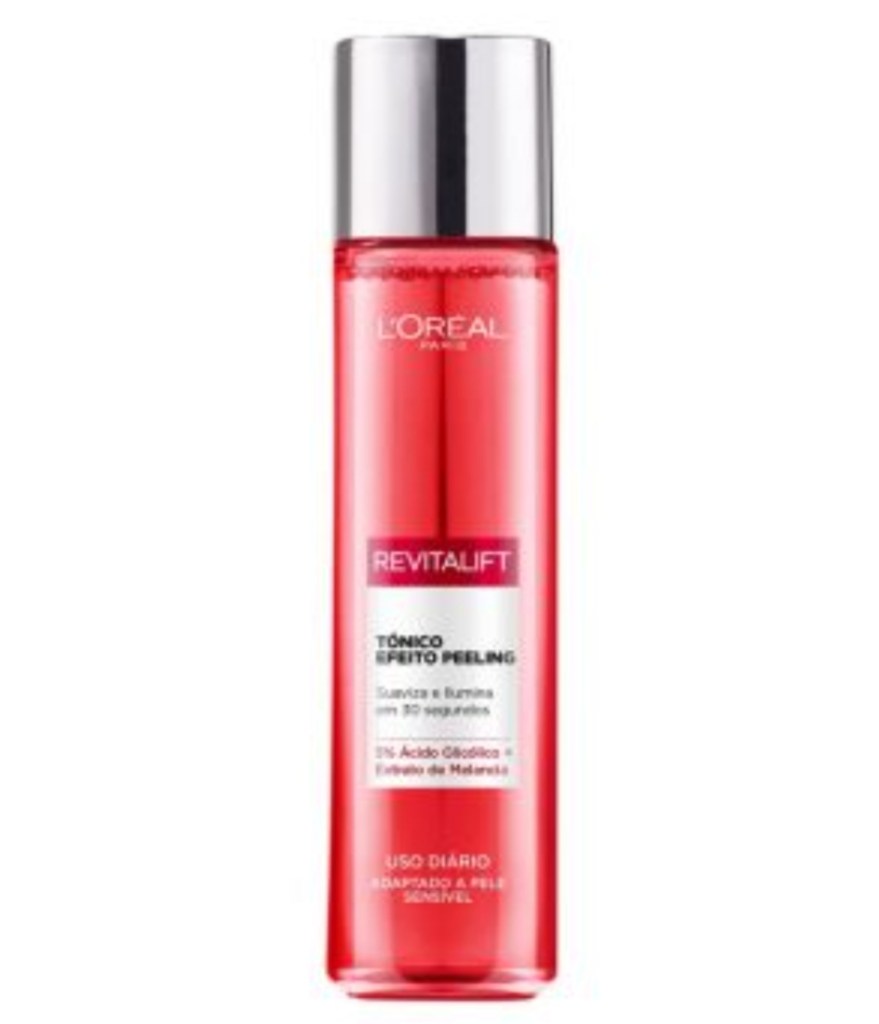
Glycolic acid is an alpha-hydroxy acid derived from sugarcane,” explains Howe. Because it comes in various strengths, it has various applications, ranging from over-the-counter, leave-on creams to medical-grade, chemical peels that only dermatologists should apply, adds Mariwalla. Looking at the big picture of all of the different types of acids out there, it falls on the gentler end of the spectrum, which is what makes it a good option for almost anyone. However, as far as AHAs specifically go, it’s one of the stronger, more potent ones; because it has the smallest molecular weight of any alpha-hydroxy acid, it penetrates the skin more easily, explains Howe. In other words, it’s more effective than other common AHAs such as lactic acid or malic acid, though subsequently not quite as gentle.
Glycolic acid consists of tiny molecules that skin absorbs very well. It protects collagen and helps your skin shed dead skin cells. This process smooths and brightens your skin, keeps your pores clean, and prevents ingrown hairs and acne.
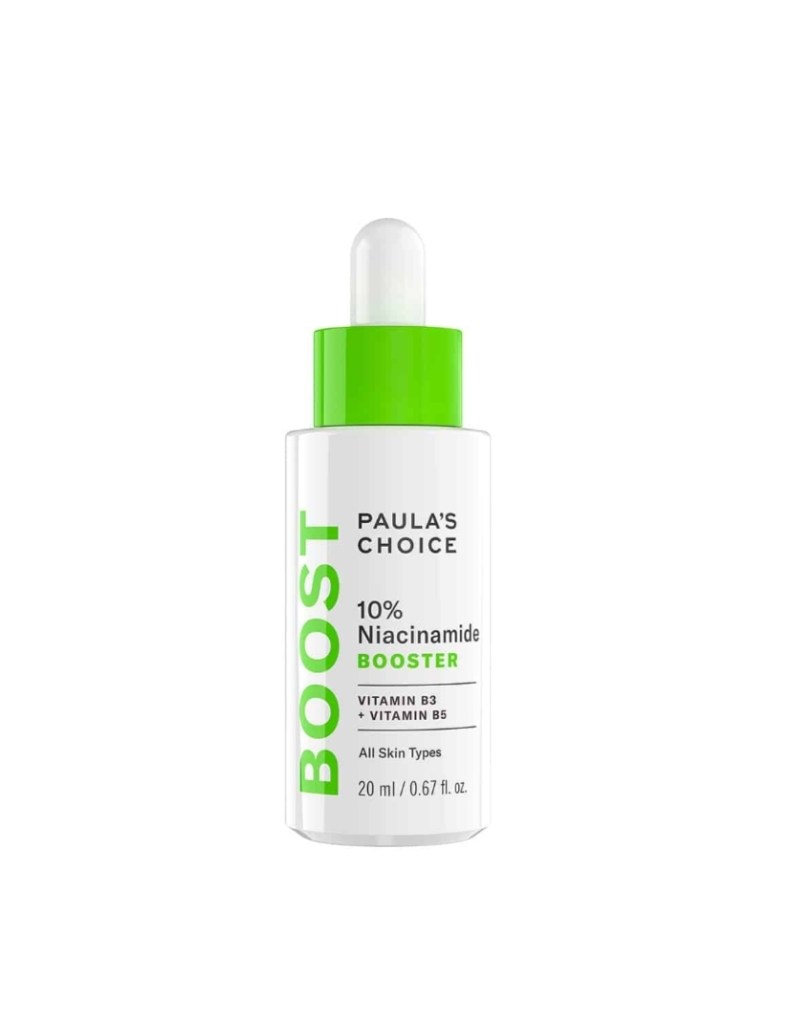
Niacinamide, which is also called nicotinamide, is a form of vitamin B3 (niacin) found in supplements, skin-care products, and food. “Vitamin B3 is an antioxidant which is important for cell repair.
If niacinamide is involved in most important cell functions, then there’s nothing it can’t cure, right? Well, no—if every cellular process in our bodies could be perfected with vitamin supplements, we wouldn’t need antibiotics or radiation therapy. That said, oral and topical niacinamide may have some actual benefits for skin health.
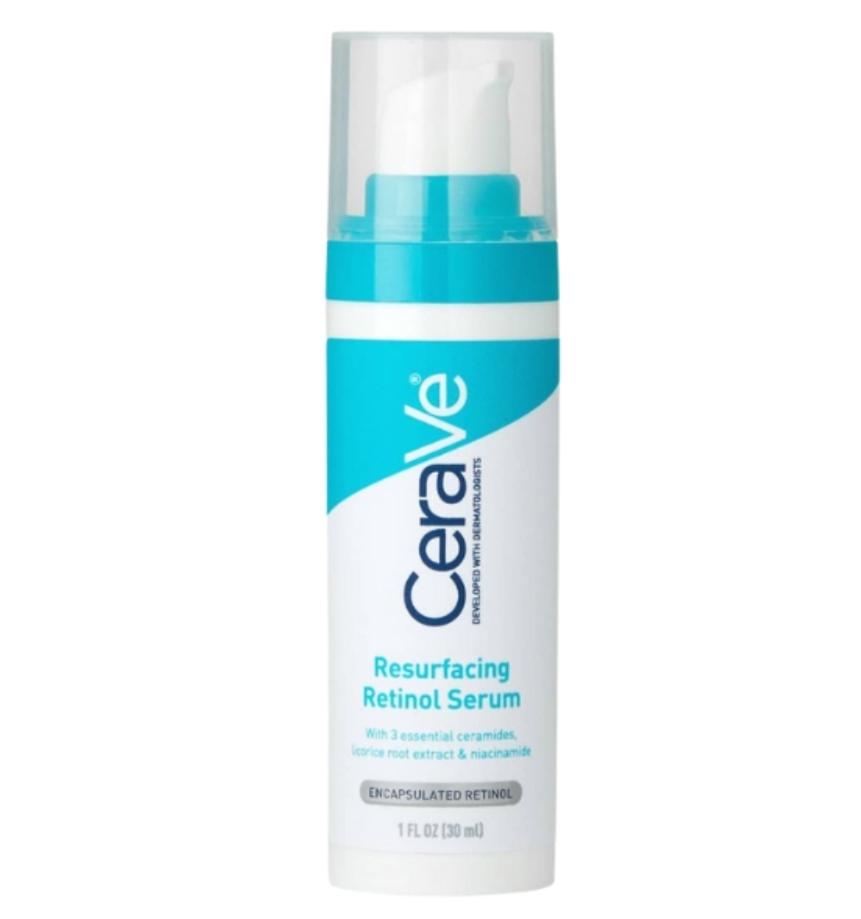
Retinol Increases cell turnover, boosts collagen production, and regulates oil production.
Reduces signs of aging : Because retinol enhances skin cell turnover, you may notice a more youthful quality to your skin.
Improves the texture of your skin : By boosting collagen production, your skin will have more turgidly, structure, and strength. Plus, the cells on the surface of your skin will be replaced more quickly, helping smooth your skin and reduce the dull, dry look of dead skin
Evens skin tone : Retinol can not only smooth the texture of your skin but the tone as well. “With continued use, retinol works to fade hyperpigmentation (brown spots and patches) and give the look of smoother skin in a gentler.
Get the Mel Underscored newsletter in your inbox
Receive product recommendations, reviews & deals several times a week.
 Healthy Skin